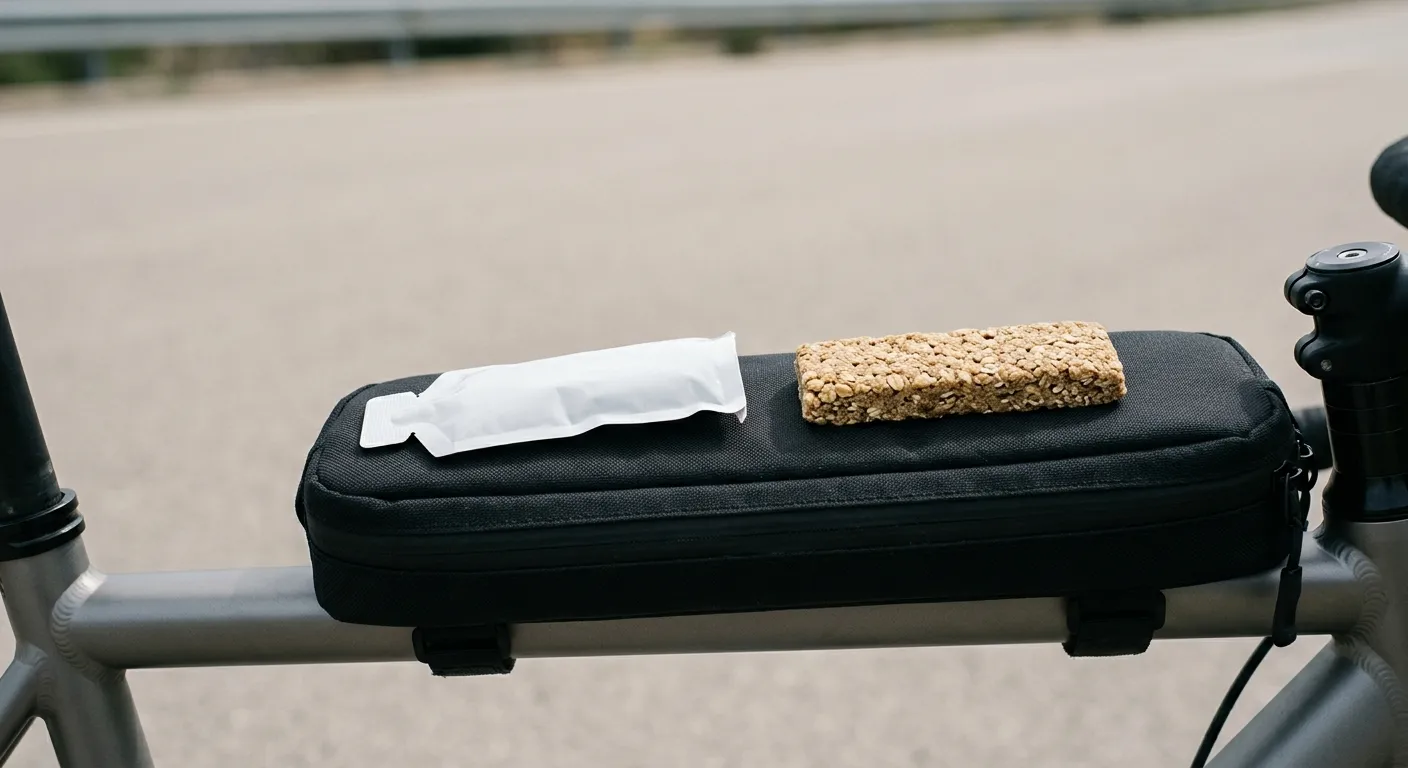
Best Caffeine-Free Energy Gels for Cycling
Caffeine is a useful tool late in a hard ride, not something you need in every gel. Here's how to find genuinely caffeine-free options and why label-checking matters more than brand.
Most gel round-ups rank by taste or brand. This one ranks by the number that actually matters if you fuel every ride: cost per 30g of carbohydrate.
"Best electrolytes" is a generic question. "I sweat through my jersey in an hour, how much sodium do I actually need" is a specific one — and it deserves a specific answer.
Not another taste-test list. The same gels compared on carbohydrate per gel, glucose-to-fructose ratio, price per 30g of carbs, water needed and how likely they are to upset a nervous stomach.
You are not asking what a gel is. You are asking what to actually carry for four, five or six hours in the saddle. Built around carbohydrate targets per hour, not an editorial ranking.
Gut distress is one of the most common reasons riders underperform on long rides. Here's what actually causes it, and which gel formulas are least likely to trigger it.
Electrolyte drinks help you stay hydrated by replacing sweat loss. Here are our favourite electrolyte tablets and powders for cycling.
Not a product review. A working hour-by-hour plan — carbohydrate, fluid and sodium targets for roughly five hours on the bike, and what that translates to on a shopping list.
An in-depth guide on the importance of carbohydrates for cyclists, focusing on energy provision, carbohydrate loading strategies, and optimal pre-race meal planning to enhance performance.
An in-depth guide on the role of protein in cycling nutrition, focusing on its impact on training adaptations, recovery, and overall performance.
Not a competition with one winner. A decision framework: when gels make more sense than bars, when bars win, and how most riders should actually mix the two.
The number that decides almost every other fuelling decision. Here's what 30, 60, 90 and 120g of carbohydrate an hour actually mean, and how to work out where you sit.
Two premium gels, both aimed at high carbohydrate rates. Compared on cost per 100g of carbohydrate, packets needed for 90g/hour, and what a four-hour ride actually costs on each.