Best Caffeine-Free Energy Gels for Cycling
Caffeine is a useful tool late in a hard ride, not something you need in every gel. Here's how to find genuinely caffeine-free options and why label-checking matters more than brand.
- best caffeine-free energy gels cycling
- cycling gels without caffeine
- decaf energy gel cycling
- caffeine free cycling nutrition
- energy gel no caffeine
- caffeine sensitivity cycling gels
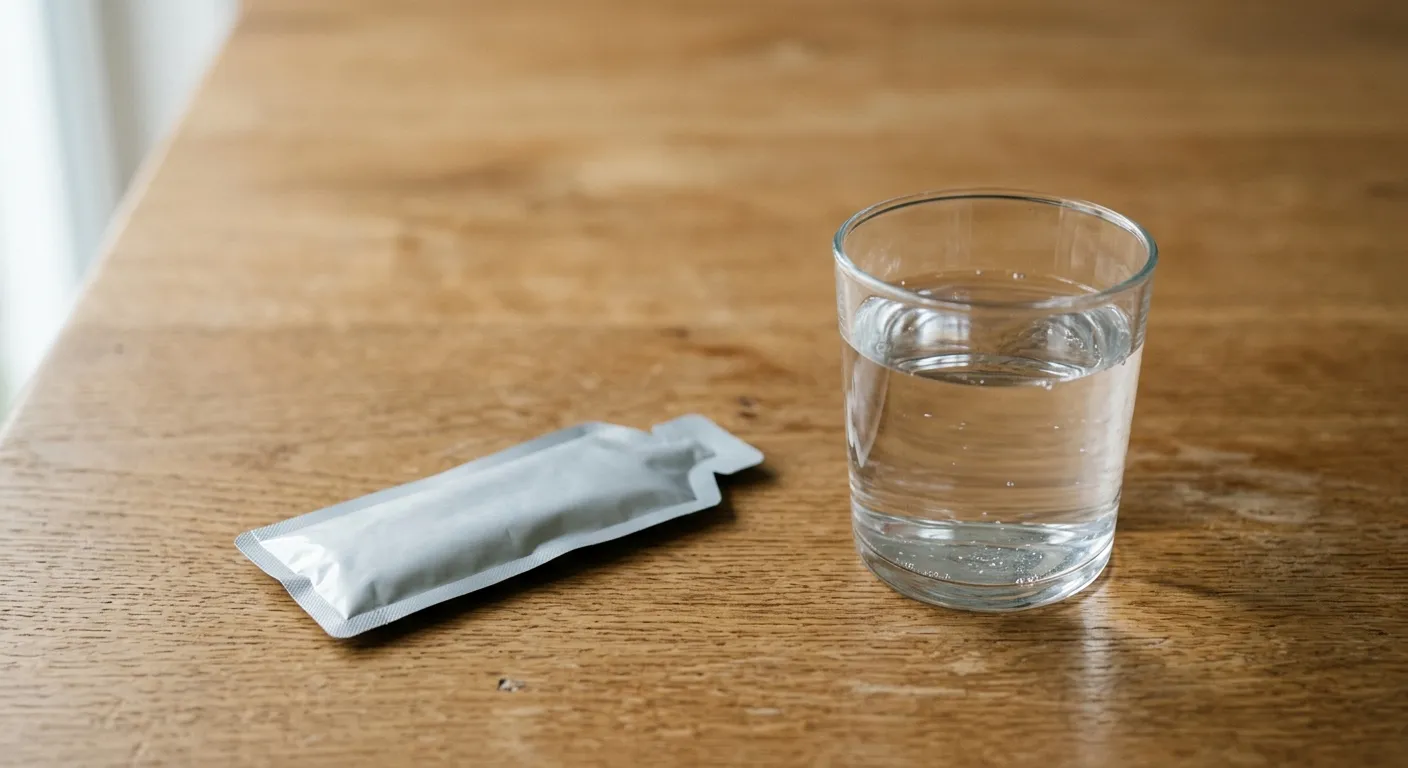
You don't need caffeine in every gel
Caffeine gets added to sports nutrition because it has a genuine, well-documented small performance benefit — improved perceived effort and alertness, particularly late in a long or hard effort. That does not mean every gel needs it, and plenty of riders have good reasons to avoid it altogether: sensitivity to caffeine, evening or late-finishing events where sleep matters, existing high caffeine intake from coffee earlier in the day, or simply gut discomfort that caffeine can make worse at high doses stacked with sugar.
The good news is that caffeine-free is still the default across most of the gel market — it is usually the caffeinated version that is the specialist product, not the other way round.
Caffeine-free gels, and the ones to double-check
| Gel | Caffeine-free by default | Watch out for |
|---|---|---|
| Torq Gel | Yes, most flavours | A small number of flavours are caffeinated — check the label |
| High5 Energy Gel | Yes, most flavours | High5 Energy Gel Plus and some caffeine-specific flavours are not |
| SIS GO Isotonic Gel | Yes, standard range | SIS GO Energy + Caffeine is a separate, clearly labelled product |
| SIS Beta Fuel Gel | Available caffeine-free | Beta Fuel CAF looks near-identical in packaging — check carefully |
| Maurten Gel 100 | Yes, standard version | Gel 100 CAF (100mg) is a distinct product on the same shelf |
| Precision Fuel PF Gel | Yes, standard version | An optional caffeine version exists in the range |
The pattern across almost every brand is the same: the plain version is caffeine-free, and the caffeinated version is a clearly named variant sitting right next to it. The mistake happens when packaging looks similar and someone grabs the wrong one mid-ride without checking.
How to avoid an accidental caffeine hit
- Read the full product name, not just the flavour, before buying multipacks. "CAF", "+ Caffeine" or "Energy + Caffeine" are the usual markers.
- Buy single-flavour boxes rather than mixed multipacks if you want to guarantee every gel in your pocket is caffeine-free.
- Separate caffeinated and non-caffeinated gels in different jersey pockets if you carry both, so you always know which one you're reaching for.
- Check total caffeine across your whole ride, not just per gel — a caffeinated gel plus a pre-ride coffee plus an energy drink can add up to more than intended, even if each individual product looks modest.
If you want the benefit without full caffeine
Some riders who are caffeine-sensitive but still want part of the benefit use a much smaller, deliberate dose late in a ride — for example one caffeinated gel in the final hour of a long day, rather than caffeine spread through every gel. This keeps total intake low while still getting some benefit when perceived effort is highest, and it's a reasonable middle ground if full caffeine-free is more about caution than a strict requirement.
Caffeine-free gel questions
Do I need caffeine in my energy gels?
No. Caffeine offers a modest performance benefit for some riders, particularly late in a hard effort, but it is entirely optional. Most gel ranges are caffeine-free by default.
How do I know if a gel has caffeine in it?
Check the full product name on the packet, not just the flavour — caffeinated versions are almost always labelled clearly with 'CAF' or '+ Caffeine', while the standard version of the same gel is caffeine-free.
Is caffeine in energy gels bad for you?
For most healthy adults, moderate caffeine intake from gels is not harmful, but it adds to caffeine from coffee, tea or energy drinks earlier in the day. Anyone sensitive to caffeine, prone to reflux, or riding late in the day should be mindful of total intake and timing.
Which cycling gel brands are always caffeine-free?
None guarantee it across their entire range, since most brands offer a caffeinated variant somewhere in their lineup. Always check the specific product name rather than assuming based on the brand.
Related guides
Best energy gels for cycling
The full comparison, including which gels carry a caffeine option and which don't.
Best energy gels for sensitive stomachs
Caffeine is one of several common triggers for gut discomfort at high doses.
Best cheap energy gels for cycling
Most budget gels are caffeine-free by default — see the full cost comparison.
What to eat and drink on a 100-mile ride
Where a small, deliberate caffeine dose fits into a full ride plan, if you use one at all.