Best Electrolytes for Heavy Sweaters: How Much Sodium Do You Actually Need?
"Best electrolytes" is a generic question. "I sweat through my jersey in an hour, how much sodium do I actually need" is a specific one — and it deserves a specific answer.
- best cycling electrolytes for heavy sweaters
- how much sodium do cyclists need
- heavy sweater electrolytes
- sodium per hour cycling
- electrolytes for salty sweaters cycling
- cycling hyponatremia sodium
"Best electrolytes" and "I'm a heavy sweater" are different questions
Most electrolyte guides, including our own best electrolyte drinks for cycling round-up, are built around a standard rider: roughly 250mg of sodium per 500ml, in normal conditions. That figure is a sensible average.
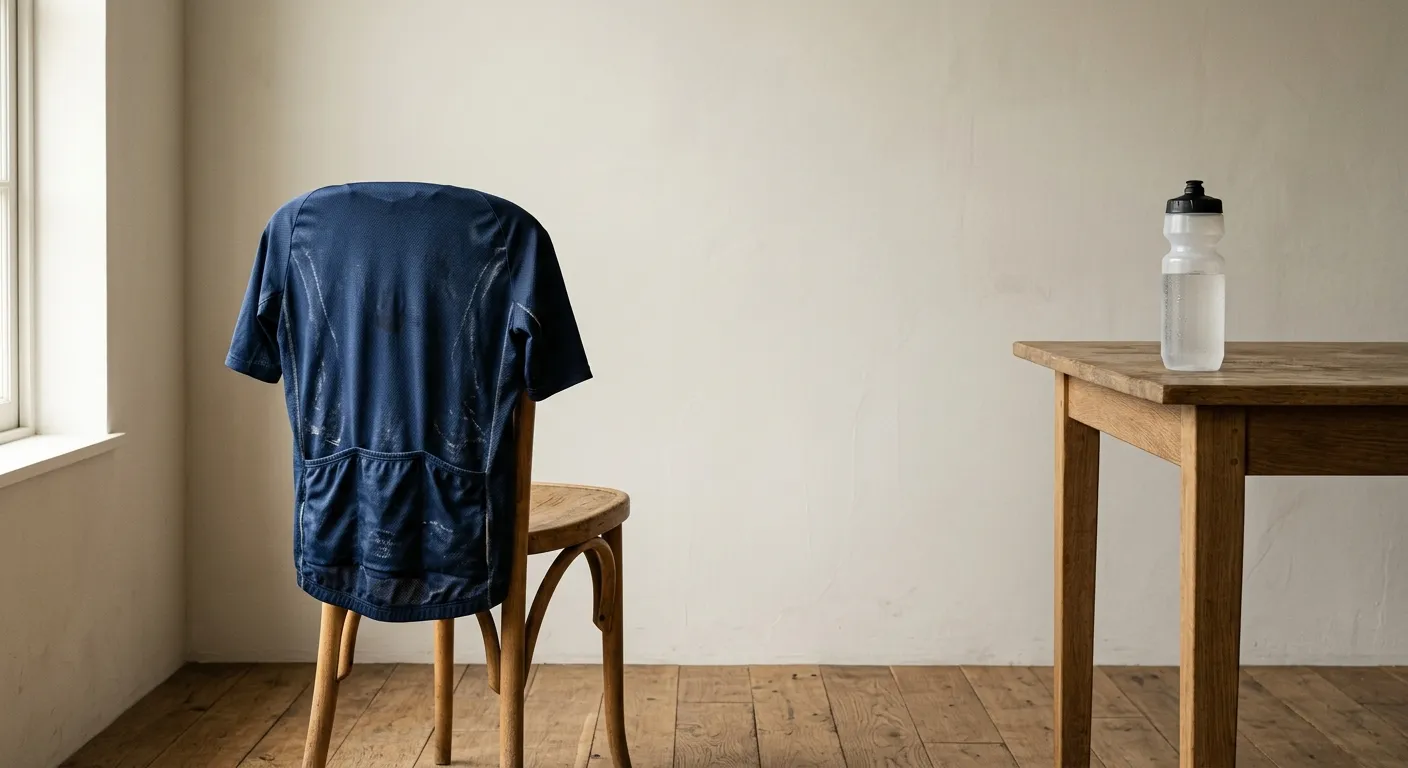
It is also wrong for a specific, common type of rider — the one who finishes a ride with white salt rings on a black jersey, stinging eyes, and a bottle that tastes bland however strong they mix it. Sweat sodium concentration varies hugely between individuals, roughly three to fourfold, and heavier or saltier sweaters can lose well over double the sodium of an average rider in the same conditions. A generic "best electrolytes" list was never built for that person.
Working out roughly how much sodium you lose
You do not need a lab test to get a useful estimate. A rough, practical method:
- Weigh yourself before a one-hour ride, in kit, having emptied your bladder.
- Note exactly how much you drank during that hour (in ml).
- Weigh yourself again immediately after, in the same kit, without towelling off sweat.
- Sweat loss (litres) ≈ (weight before − weight after in kg) + fluid drunk (litres).
A rider who loses 1kg of bodyweight over an hour while drinking 500ml has sweated roughly 1.5 litres in that hour. Salty sweaters — visible white marks on dark kit, stinging eyes, gritty-feeling skin — are a strong sign you sit at the higher end of the sodium-loss range (often 1,000-2,000mg of sodium per litre of sweat, against roughly 400-800mg/litre for an average sweater).
This is a screening tool, not a diagnosis. If you are training or racing seriously in heat, a proper sweat-sodium test is a better investment than guesswork.
Sodium targets, roughly, by category
| Sweat profile | Approx. sodium loss | Suggested intake while riding | What that looks like |
|---|---|---|---|
| Light sweater, cool ride | ~400-500mg/litre sweat | 250-350mg sodium per 500ml bottle | A standard-strength electrolyte tab or powder |
| Average sweater | ~500-800mg/litre sweat | 300-500mg sodium per 500ml bottle | A medium-strength mix, one tab per bottle |
| Heavy sweater | ~800-1,200mg/litre sweat | 500-700mg sodium per 500ml bottle | A high-sodium tab, sometimes doubled up |
| Very heavy / salty sweater | 1,200mg+/litre sweat | 700-1,000mg+ sodium per 500ml, plus food-based sodium | High-sodium products, salted food, and possibly capsules alongside drink |
These ranges are illustrative, drawn from published sweat-sodium research, not a substitute for individual testing. Heat, humidity, altitude and effort level all shift the numbers on any given day.
Matching products to sweat profile
Full pros, cons and pricing for each product are in the original comparison. This is the shortcut for heavy sweaters specifically.
Light to average sweater
Kinetica Electro-C, OTE Orange Hydro Tabs or High5 Zero — roughly 250-260mg sodium per serving is enough for most conditions.
Heavy sweater
Precision Fuel & Hydration PH 500 or Styrkr SLT07 — 500mg sodium per serving, and PH also offers a range up to PH 1500 for the top end of the scale.
Very heavy / salty sweater in heat
Consider stacking a high-sodium tab with salted food (pretzels, salted rice cakes) rather than relying on drink alone — sodium from food adds up without extra fluid volume.
Long, hot events over 4-5 hours
Under-replacing sodium over many hours in heat is a genuine risk factor for exercise-associated hyponatremia, particularly if fluid intake is high. This is the scenario where testing your actual sweat sodium is worth the money.
Do not just drink more water
A common but risky instinct for heavy sweaters is to drink more plain water to compensate. That dilutes blood sodium further rather than replacing what was lost, and is one of the recognised contributing factors in exercise-associated hyponatremia on long, hot rides. If you sweat heavily, the fix is more sodium per bottle, not more bottles of plain water.
For the practical shortlist of specific products, sodium-per-serving figures and pricing, see best electrolyte drinks for cycling. This page is about working out which row of that table is actually yours.
Heavy sweat and electrolyte questions
How do I know if I'm a heavy sweater on the bike?
Visible white or grey salt marks on dark kit, salt-crusted skin, stinging eyes from sweat, and a bottle that never tastes salty enough are common signs. A simple before-and-after weigh-in over a one-hour ride gives a rough sweat-loss estimate.
How much sodium should a heavy sweater drink per hour on the bike?
Heavy sweaters often need 500-1,000mg or more of sodium per litre of fluid, compared with roughly 250-500mg for an average sweater. Start at the lower end of that range and adjust based on how you feel and how much visible salt you see on your kit.
Can too much sodium be a problem?
For most healthy riders, sodium intake in the ranges discussed here is not dangerous, though anyone with a medical condition affecting blood pressure or kidney function should check with a doctor before changing intake significantly.
Is plain water enough if I sweat heavily?
Usually not on long or hot rides. Heavy sweat losses without adequate sodium replacement increase the risk of hyponatremia, especially if you are also drinking large volumes of plain water.
Related guides
Best electrolyte drinks for cycling
The full product comparison — Torq, Kinetica, Precision Fuel, Styrkr, OTE, High5 and SiS.
What to eat and drink on a 100-mile ride
Where sodium targets fit into a full hour-by-hour ride plan.
Best energy gels for long bike rides
Carbohydrate strategy for the same long, hot rides that push sweat rate up.
Best energy gels for cycling
Fuelling comparison to pair with a sodium plan.